
"coffee berry size"
2000 article(s) found

Introduction to the method of flavor description and taste treatment of several seeds in coffee berries
There are several seed treatment methods in coffee berries flavor description taste treatment method after coffee is picked, in order to prevent berries from rotting, the sooner the better. Depending on the climate and environment, coffee beans can be treated in two ways: solarization: an ancient method of coffee treatment, which is still widely used in many countries where water is scarce. It is to put the berries directly in the sun.

It turns out that it takes 10 steps to go from coffee seed to coffee.
A coffee bean is actually a seed. After drying, baking and grinding, it can be extracted.
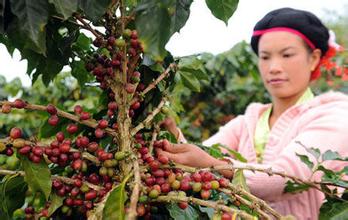
Detailed analysis and introduction of the operation techniques of coffee beans from picking to raw bean treatment.
Coffee bean processing: coffee berries must be processed immediately after picking to prevent pulp fermentation and decay. Coffee beans can be processed in two ways, wet and dry. The drying method is also called the natural method. Spread the coffee berries flat in the sun to dry. In the plantation, 50 square meters of coffee berries are spread on each hectare, or the fruit is placed in a special
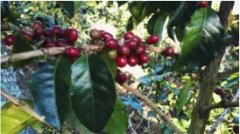
A hybrid between Arabica and Robusta [Catimor] Katimo and its branches
The exchange of professional baristas please pay attention to the coffee workshop (Wechat official account cafe_style) the interspecific hybrid between Arabica and Robusta [Catimor] the hybrid between Katimo Caturra and Timor. It was discovered in Portugal in 1959. The palate is obvious and easy to distinguish, the bitter acid is a little astringent, the aftertaste is often salty, and there is low acidity in Robusta in the Timo family.

Tanzania coffee bean characteristic flavor taste variety origin story Kilimanjaro coffee bean flavor
Description of flavor and taste of coffee beans in Tanzania the types of rainfall can be divided into bimodal distribution and unimodal distribution. The areas with double-bee rainfall distribution include the provinces around the Lake Victoria basin, the northeast highlands, the coastal and inland northeast. The characteristics of the bimodal rainfall area are
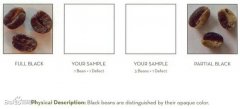
SCAA Fine Coffee grading defective Bean Standard
All black beans / part of black beans appearance features: black opaque raw bean cup sensory features: diversity: fermentation taste, sharp choking taste, turbidity, mildew taste, sharp sour taste, chemical irritation and other single or multiple odors mixture. Cause: excessive fermentation, leading to microbial invasion and infection. Appearance characteristics of whole sour beans / partial sour beans: raw beans have a yellow, yellowish brown or reddish brown appearance, usually
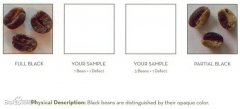
SCAA Fine Coffee Grading All kinds of defective beans
Whole black beans/partial black beans Appearance characteristics: black opaque raw beans Cup sensory characteristics: diversity: fermented flavor, sharp choking flavor, turbidity, mildew, sharp sour flavor, chemical stimulation flavor and other single or multiple odors mixed. Cause: Excessive fermentation, leading to microbial invasion infection. Whole/partial sour beans Appearance characteristics: Raw beans have a yellow, tan or reddish brown appearance, usually

The process of picking and growing of Coffee
Coffee picking growth picking: most of them are picked manually. Only ripe coffee berries of similar size are picked so that the peeling machine can handle them. Cleaning: soak the coffee berries in water in order to remove overripe coffee berries. Coffee berries that are not ripe enough will be removed in other ways. Peeling: coffee berries are softened in water and treated in a peeling machine

Kenyan Coffee output Kenyan Coffee extraction parameters how Kenyan Coffee flushes out berry flavor
Professional coffee knowledge exchange more information about coffee beans Please follow the coffee workshop (Wechat official account cafe_style) in 1893, John Patterson, a Scottish missionary, introduced coffee to Kenya. It is reported that the coffee seed was obtained from Smith Mackenzie, an agent of the British East India Company in the Yemeni port city of Aden. And then in Kibwezi near Mombasa, Kenya.

Introduction to the quality characteristics of Brazilian coffee bean picking season flavor description treatment method
Brazilian coffee bean picking: most of them are picked manually. Only ripe coffee berries of similar size are picked so that the peeling machine can handle them. Cleaning: soak the coffee berries in water in order to remove overripe coffee berries. Coffee berries that are not ripe enough will be removed in other ways. Peeling: coffee berries are softened in water and treated in a peeling machine.

Drying processing of coffee beans after picking
Coffee berries must be processed immediately after picking to prevent pulp fermentation and decay. Coffee beans can be processed in two ways, wet and dry. The drying method is also called the natural method. Spread the coffee berries flat in the sun to dry. In the plantation, 50 square meters of coffee berries are spread on each hectare, or the fruit is dried in a special dryer.
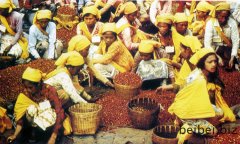
Post-harvest processing of coffee beans
After the harvest coffee bean processing: coffee berries must be processed immediately after picking to prevent pulp fermentation and decay. Coffee beans can be processed in two ways, wet and dry. The drying method is also called the natural method. Spread the coffee berries flat in the sun to dry. In the plantation, 50 square meters of coffee berries are laid on each hectare, or
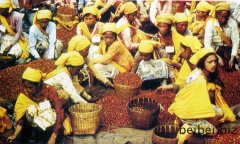
Coffee beans after harvest processing methods Coffee common sense
After the harvest: Coffee berries must be processed immediately after harvest to prevent fermentation and decay of the pulp. Coffee beans are processed in two ways, wet and dry. Drying method drying method is also called natural method. Spread the coffee berries out in the sun to dry. In the plantation, 50 square meters of coffee berries are spread on each hectare, or
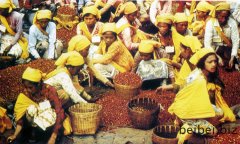
Post-harvest processing of coffee beans in Coffee Encyclopedia
After the harvest coffee bean processing: coffee berries must be processed immediately after picking to prevent pulp fermentation and decay. Coffee beans can be processed in two ways, wet and dry. The drying method is also called the natural method. Spread the coffee berries flat in the sun to dry. In the plantation, 50 square meters of coffee berries are laid on each hectare, or
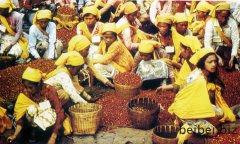
Post-harvest processing of high-quality coffee beans
After the harvest coffee bean processing: coffee berries must be processed immediately after picking to prevent pulp fermentation and decay. Coffee beans can be processed in two ways, wet and dry. The drying method is also called the natural method. Spread the coffee berries flat in the sun to dry. In the plantation, 50 square meters of coffee berries are laid on each hectare, or
Processing of coffee beans after harvest drying and wet processing
After the harvest coffee bean processing: coffee berries must be processed immediately after picking to prevent pulp fermentation and decay. Coffee beans can be processed in two ways, wet and dry. The drying method is also called the natural method. Spread the coffee berries flat in the sun to dry. In the plantation, 50 square meters of coffee berries are laid on each hectare, or

Wet and drying methods for post-harvest processing of coffee beans
After the harvest coffee bean processing: coffee berries must be processed immediately after picking to prevent pulp fermentation and decay. Coffee beans can be processed in two ways, wet and dry. The drying method is also called the natural method. Spread the coffee berries flat in the sun to dry. In the plantation, 50 square meters of coffee berries are laid on each hectare, or

A brief introduction to the grading system of Kenyan Coffee beans how to brew and share Kenyan coffee at a ratio of 1 to 15
Professional coffee knowledge exchange more coffee bean information please follow the coffee workshop (Wechat official account cafe_style) front street-Kenya raw bean grading, brewing parameters sharing according to the sieve grading method is the method of grading according to the size of coffee beans. Raw beans are graded by determining the size of the beans through a holed iron plate sieve. The size of the hole in the screen is 1 inch to 64 inches.

Kenya coffee beans SL coffee beans Kenya aa coffee beans SL coffee beans
Weixin Official Accounts cafe_style Kenya Wamuguma Region - Gatundu District Process - Washed Altitude - 1600 - 1800 masl Varietal - SL28 and SL34 Harvest - Dec 2016 The first half of each year is also the time for African beans in the new season

2019 new season boutique coffee beans Kenya AAPLUS berries virgin fruit red Brin honey flavor
Professional coffee knowledge exchange more coffee bean information please pay attention to coffee workshop (Wechat official account cafe_style) AA is a level name of coffee raw bean currency, currency coffee raw bean level generally has AA,A,B,C level, it mainly refers to the size of coffee beans, AA level refers to the larger particles of coffee beans, generally coffee beans with particles of more than 17 mesh (17 mesh = sieve)